Why It’s OK to Ask for Help: How Burnout Therapists Support Strong, Independent Women

If you’re a woman who’s spent most of her life being the fixer, the problem solver, or the one who holds everything together, the idea of asking for help probably makes your shoulders tense. You likely know how to show up for others. You may also be skilled at listening, anticipating needs, and making things look effortless on the outside. People probably describe you as “reliable”, “capable”, or even “Ms. Independent”, but what they don’t see is how exhausting it can be to carry everything alone.
The Hidden Pressure of Always Holding It Together
If you’re the oldest or firstborn daughter, the parentified child (the person who was also given parent-level responsibility without the respect or freedom), and/or an adult child of immigrant parents, you likely are experiencing hyperindependence. Hyperindependence (or over independence) often feels like a badge of honor – at the end of the day, you know that you can (and will) get shit done.
Hyperindependence can protect you from disappointment, as you may have learned early in life that relying on others leads to letdowns. Or maybe you feel safer handling things on your own because you do them “correctly” (e.g., “If you want something done right, do it yourself”). Naturally, you understand your emotions, responsibilities, and wants/needs better than the people around you. But instead of allowing others to learn (and make mistakes, which is essential to learning) in “getting you right”, it feels easier to take care of everything yourself instead of dealing with the frustration of unmet needs.
When Hyperindependence Turns Into Burnout and Resentment
But here is the quiet truth many strong women don’t want to admit - hyperindependence is only sustainable until it isn’t. Eventually, your emotional load becomes too heavy, burnout creeps in, and you start to feel resentful, exhausted, or invisible. You might notice yourself wishing someone could just know what you need without you having to ask (mind reading). You want people to read your mind or you may think you’re giving off obvious clues that you need help (you aren’t), and feel angry or disappointed at the idea that you’re the only one paying attention.
How Therapy Helps You Loosen the Grip of Hyperindependence

This is usually the moment when burnout therapy becomes helpful. Not because you’re weak, but because being strong has asked too much of you for too long, and your ‘strength’ is likely isolating you from your community. You feel misunderstood or disappointed when people don’t notice how much you carry and feel guilty or resentful when you think about asking for help. And underneath that worry, there is often a quieter fear that if they cannot meet your needs, it means you’re not worthy of being cared for.
Burnout counseling helps you untangle these patterns, including the version of you who decided it was safer to depend on no one rather than everyone. While she was protecting you (once upon a time), she’s now creating more harm. On top of that, she isn’t the only version of you that gets to exist. In fact, the longer ‘Ms. Independent’ takes center stage, the longer the other parts of you has to forgo their needs.
With a burnout therapist, such as myself, you’ll learn how to create a space where you don’t have to be “the strong one for once” and learn through many trials that you get to be soft without falling apart or being taken advantage of. In therapy you’ll also learn how to let someone witness your exhaustion without judging it, ask for support without feeling like a burden, and receive care without micromanaging it. Over time, you’ll begin to trust that your needs matter and you’ll (eventually) allow others to show up for you even if it feels uncomfortable at first (and it will).
When you allow others to support you, you’re not giving up your independence – you’re building connection and letting people learn you. In time, you will create a life that gives your future self permission to live with more ease. So, if you’re a strong woman who struggles to ask for help, therapy with The Lavender Therapy can be the first place where you practice letting someone show up for you. And from there, slowly and safely, your world will begin to shift.
Tired of Having it “All Figured Out”?
I got you. If reaching out feels overwhelming, let’s make that first step easier. Schedule a free 15-minute consultation with me, and together, we’ll explore how you can lean on others, let go of that endless need to “hold it all together,” and begin to find comfort outside of the closet. You don’t have to face this alone, and asking for help is a strength in itself.
Reach out today—because you deserve care and connection, too.
Learn more about Lavender Therapy.
Discover how asking for help can support your healing journey.
Other Online Therapy Services I offer in New York
In addition to helping women manage hyperindependence and burnout, I offer a range of specialized services to support you through various life phases. Whether you need assistance with postpartum and pregnancy concerns, therapy for women, family planning therapy, or infertility support, I'm here to guide you every step of the way. Let's work together to find balance and well-being in your life.
About the Author: Burnout Psychologist Dr. Ruby
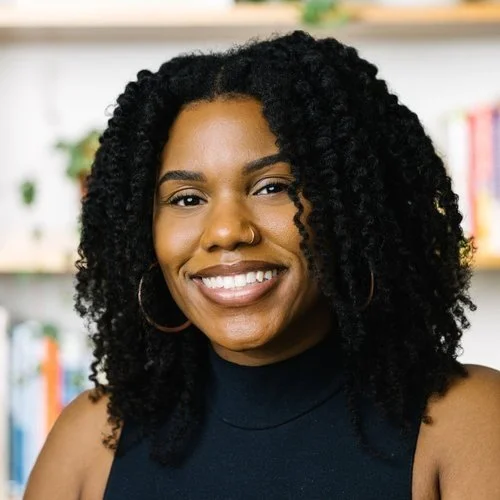
Dr. Ruby Rhoden is a New York-based Licensed Psychologist who is dedicated to uplifting women through life changes and challenges, including reproduction. She understands how unhelpful behavior patterns and mental health disorders uniquely impact women and uses evidence-based techniques to usher in sustainable change and relief. With a focus on helping clients reconnect with themselves and find effective self-care strategies, Dr. Ruby provides personalized therapy to address the root causes of burnout. Dr. Ruby is also dedicated to helping women develop healthier habits and relationships with themselves and their bodies so that they can connect to others and the world around them again. Dr. Ruby studied at Cornell University and Rutgers, The State University of New Jersey for her Bachelor's and Doctoral degrees, respectively. In her free time, she enjoys watching reality TV, supporting small businesses, and writing blog posts to remind all women that they are not alone.