From Overgiving to Overwhelmed: The Link Between People-Pleasing and Burnout

Burnout and people-pleasing are deeply connected, especially for women. Many women who struggle with chronic exhaustion, resentment, and emotional numbness are not just overworked - they’re over-giving. People-pleasing often flies under the radar because it looks like being kind, reliable, and easy to work with. Over time, though, it becomes one of the biggest drivers of burnout.
People-pleasing is the habit of prioritizing other people’s needs, comfort, and approval over your own. It often develops early, especially for women who learned that being helpful, agreeable, or low maintenance kept relationships stable. In adulthood, this can show up as saying yes when you mean no, avoiding conflict at all costs, and feeling responsible for other people’s emotions.
Burnout happens when the demands placed on you consistently exceed your emotional and physical capacity. When you’re a people-pleaser, those demands are often self-imposed. You volunteer for extra work. You take on emotional labor at home. You respond to messages immediately. You smooth things over. You anticipate needs before anyone asks. From the outside, you look high functioning and capable. On the inside, you feel depleted.
One of the reasons burnout and people-pleasing are so tightly linked is that people-pleasers are disconnected from their own limits. You may not notice you’re exhausted until you’re already running on fumes. You may minimize your needs because someone else has it worse. You may push through stress because resting feels selfish or lazy. Over time, your body starts to protest with chronic fatigue, irritability, brain fog, and a sense of emotional flatness.
Another key piece of this relationship is resentment. People-pleasers often tell themselves they’re choosing to help, but deep down they feel trapped by expectations. You might feel resentful toward your partner, your boss, your friends, or even your kids. That resentment can be confusing because you’re the one who said yes. Burnout thrives in this space where your external life looks full but your internal world feels empty.
Women are especially vulnerable to this pattern because people-pleasing is often rewarded. You get praised for being flexible, supportive, and dependable. At work, you may be seen as a team player. In relationships, you may be described as easygoing. These labels can make it hard to recognize that what looks like strength is actually costing you your well-being.
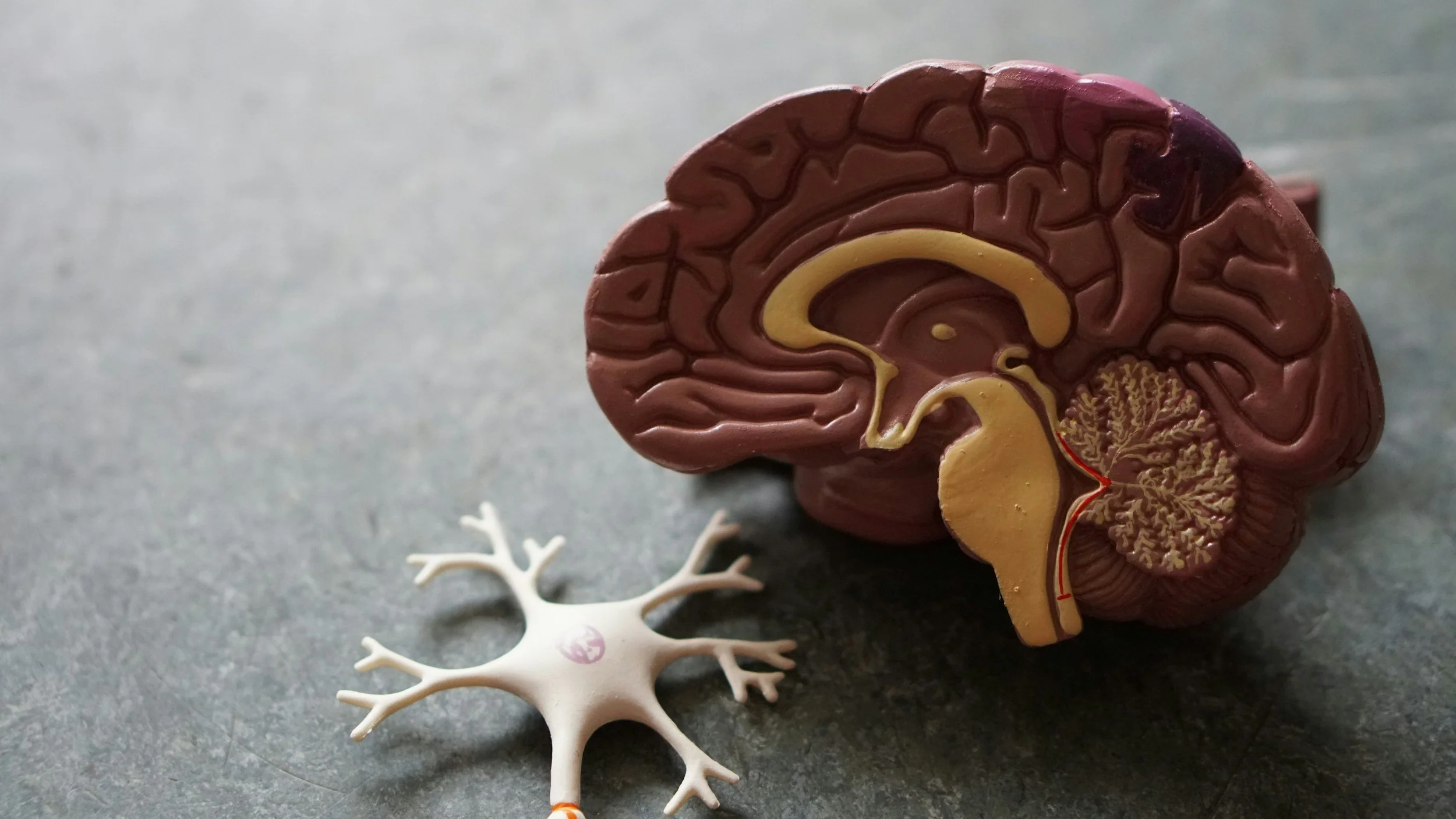
The nervous system also plays a role. People-pleasing is often a stress response. When your system is wired to avoid rejection or conflict, staying agreeable feels safer than asserting yourself. Over time, living in this constant state of self-monitoring keeps your body in low-grade survival mode. Burnout is not just mental exhaustion. It is a nervous system that has been on high alert for too long.
Healing the relationship between burnout and people-pleasing starts with awareness, not self-criticism. This is not about blaming yourself for having coping strategies that once helped you survive. It is about gently noticing patterns. Where do you override your own needs? Where do you feel obligated rather than willing? Where do you feel drained instead of fulfilled?
Recovery often involves learning to tolerate discomfort. Saying no may bring up guilt. Setting boundaries may trigger anxiety. Letting someone be disappointed can feel unbearable at first. These feelings are part of the process. They do not mean you’re doing something wrong. As women unlearn people-pleasing, burnout often begins to ease. Energy returns when your yes actually means yes. Emotional space opens when you stop carrying what is not yours. You begin to feel more like yourself again, not because your life is easier, but because it is finally more honest.
If you’re burned out and recognize yourself in these patterns, you’re not broken. Your system has been working overtime to keep you safe and connected. With support, reflection, and practice, it is possible to build a life that does not require you to disappear in order to belong.
Ready to Break Free from Burnout?
At The Lavender Therapy, I specialize in helping individuals break the burnout cycle and find balance. You deserve to feel restored and re-energized—let’s work together to get you there. Reach out today to start your journey toward healing. You've already taken the first step by seeking out information, and now it's time to take the next step. You’re worth it!
Contact me here to begin therapy for burnout in NYC and the surrounding areas.
Learn more about burnout recovery by reading my blogs.
Discover how journaling can help prevent burnout.
Other Services I Offer in Bryant Park, Manhattan & Beyond
Life brings many unique challenges, and I am here to support you every step of the way. In addition to burnout therapy, Lavender Therapy offers specialized services to help you navigate through different phases and experiences. Anywhere in New York, I offer therapy for postpartum and pregnancy concerns, therapy for women, and family planning therapy.
About The Author:

Dr. Ruby Rhoden is a New York-based Licensed Psychologist who is dedicated to uplifting women through life changes and challenges, including reproduction. She understands how unhelpful behavior patterns and mental health disorders uniquely impact women and uses evidence-based techniques to usher in sustainable change and relief. With a focus on helping clients reconnect with themselves and find effective self-care strategies, Dr. Ruby provides personalized therapy to address the root causes of burnout. Dr. Ruby is also dedicated to helping women develop healthier habits and relationships with themselves and their bodies so that they can connect to others and the world around them again. Dr. Ruby studied at Cornell University and Rutgers, The State University of New Jersey for her Bachelor's and Doctoral degrees, respectively. In her free time, she enjoys watching reality TV, supporting small businesses, and writing blog posts to remind all women that they are not alone.