Yes, Burnout Therapists Get Burned Out Too: My Summer With Burnout
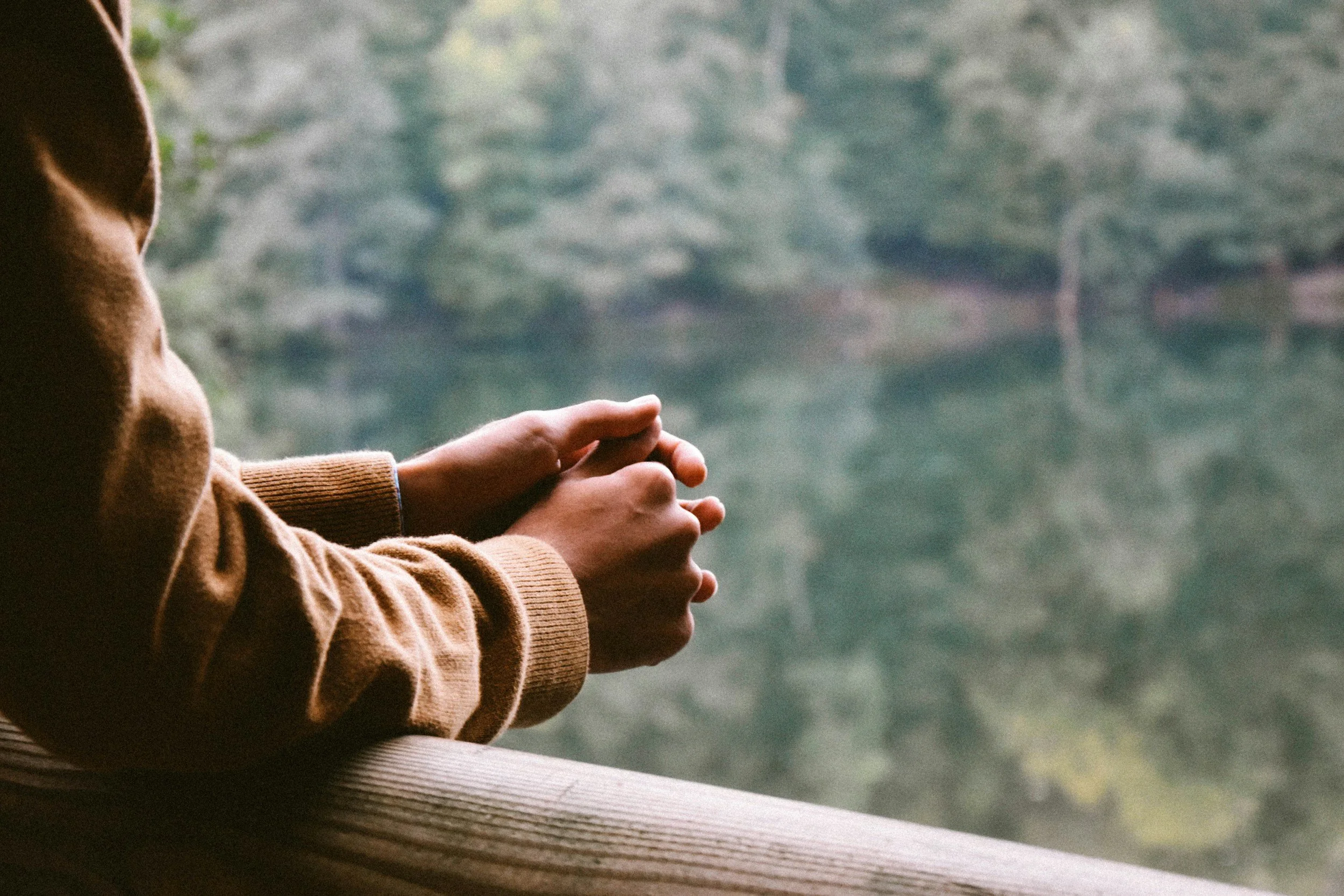
I daydreamed a lot this summer. I fantasized at every opportunity I could, and the fantasy was always the same: Was this person always excited about their job or career? Did my grocery store cashier ever roll her eyes when she got her schedule for the week? Did the stranger outside my bodega dressed in corporate attire ever get the “Sunday Scaries”? Was the person sitting next to me on the train always excited to go to work? Did anyone else question whether they were actually helpful? Or was it just me?
That’s when it clicked. I needed a break.
I needed a break from writing blog posts, reviewing my online marketing strategies, doing my monthly bookkeeping, talking on the phone to friends and family after work, cooking, cleaning, and waking up to the same damn incessant alarm sound.
I needed a break from all of it. Yes, burnout therapists get burned out too.
Yes, Burnout Therapists Experience Burnout Too
While I realized I was burned out early on this summer, there was still a sense of guilt. “I know better, so why am I not doing better?” It was the same sentiment many of my clients express to me around the midpoint of therapy. They’ve learned their burnout warning signs. They understand the origins of their exhaustion. They know exactly how their people-pleasing patterns or hyperindependence contribute to their symptoms. They’ve learned new strategies and coping skills to manage what they’re experiencing. And here I was, having an episode of burnout of my own. The irony.
But the scariest truth is this: knowing better doesn’t always mean that we do better. In fact, sometimes our confidence in what we know can become our downfall. And honestly, that’s as human as it gets. I’m a burnout therapist with years of knowledge, experience, and strategies. I got this! Except I didn’t. I was practicing mindfulness sporadically. And as someone who typically practices mindfulness twice a day for my own sanity, that was a big change. I was getting less sleep because I wanted to do more after work. I was still saying “no” to the things I didn’t want to do, but I was also cramming my schedule with things I was genuinely excited about that I simply couldn’t fit in logistically.
None of these habits alone was enough to send me into burnout. But burnout rarely comes from one thing. It’s often the cumulative effect of chronic stress, inadequate rest, unrealistic expectations, and consistently operating beyond our capacity that catches up with us. And I was too busy being the expert burnout therapist for everyone else to recognize the warning signs in myself.
Burnout Recovery Isn’t About “Beating” Burnout Once and for All
The same thing can happen to my clients in the middle of therapy. They understand their burnout. They’ve done the work. They feel better. And then they forget that the reason they feel better is because they’ve been consistently using the skills they’ve learned. Feeling better doesn’t necessarily mean you’ve permanently “beaten” burnout. Burnout recovery requires ongoing attention to your needs, boundaries, workload, relationships, rest, and the warning signs that tell you when you’re approaching your limit. This is one of the hardest parts of burnout recovery because we often want to believe that once we figure something out, we’re done.
But we’re human. We can know exactly what we need to do and still struggle to do it.
How I’m Recovering From Burnout
So here I am, a burnout therapist admitting that not only am I susceptible to burnout, I am burned out. Or, at least, I was before my recent trip to Mexico City over the Labor Day holiday. So how am I addressing my burnout? First, I traveled this summer. I gave myself permission to press pause for a few weeks and reconnect with parts of myself outside of being a therapist, which is incredibly easy to make my entire identity. I felt restored in Bali. I felt connected in Mexico City. And I felt anxious in London because I worked while I was on vacation. I won’t be doing that again. When I’m on vacation, I will be on vacation.
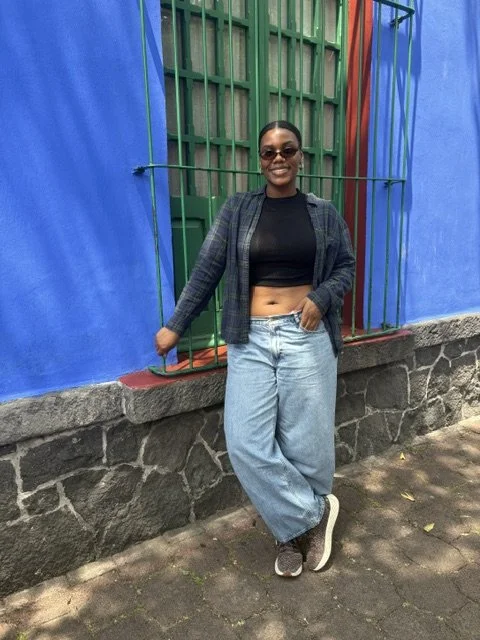
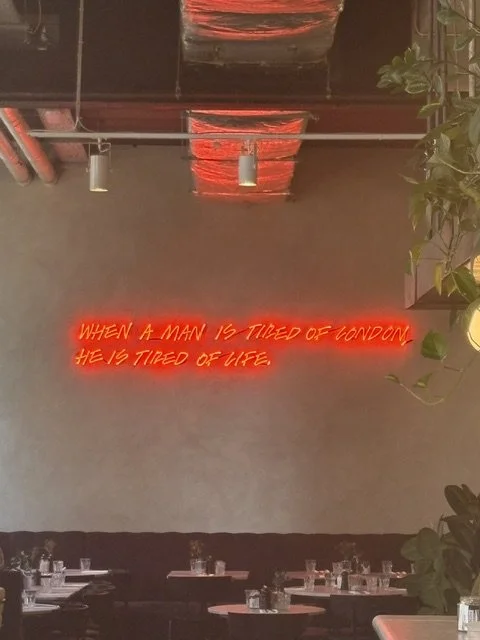
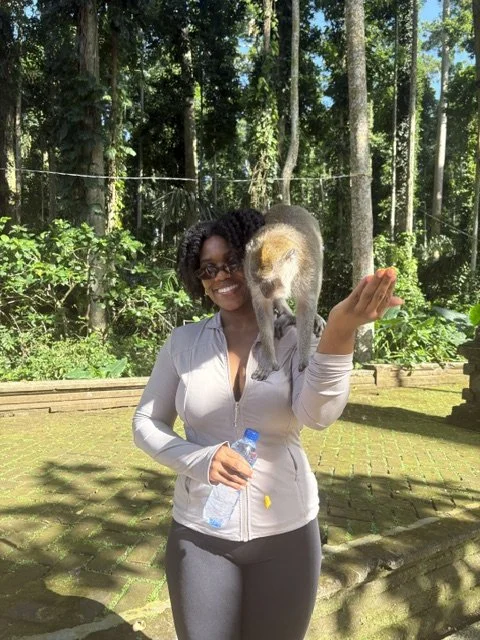
I also got really transparent and honest with other therapists and people in my life who could hold my hand as I finally gave voice to the things I was really fucking anxious about. Worries about not being helpful enough to my clients. The financial instability of private practice. The state of the world. Perimenopause. You name it. I gave myself permission to rest and to not worry quite so much about all the things I thought I needed to do to be “successful.” In fact, this is my first blog post in almost five months. While my SEO might be in the toilet, I knew I couldn’t write another blog post about burnout while I was experiencing the height of my own burnout. So I didn’t and I wove in and out of acceptance around it. I also started looking for other ways to not “be the boss” all the time and give my brain a chance to turn off. As a small business owner, I wear a lot of hats. Therapist. Business owner. Marketer. Writer. Bookkeeper. Administrator. The list goes on. So I looked for work opportunities where I could just wear one hat. And research suggests that being appropriately compensated for our work, particularly when workloads are high, can help reduce some of the conditions that contribute to burnout. For me, this was a win-win.
I’m Still Burned Out, and I’m Still Recovering
I’m still burned out. And I’m still recovering.
But I’m no longer guilting myself for being human. Or, perhaps, for being a little arrogant about how well I thought I could manage it all. I know there’s a long road ahead of me. I’m constantly reminding myself of who I am outside of being a psychologist. I’m finding opportunities to not have the answers. I’m practicing being a person instead of constantly being the professional. My desire to be useful to my clients makes me a better therapist, to a degree. But that inherent need to be useful comes from a deeper place, and it’s something I’ll continue to work through as a psychologist. It’s not going anywhere. And neither am I.
To My Clients: I’m Human, Too
To my clients who are reading this, current and future, I’m so honored that you trust me to hold your hand as we figure out some really tough shit. And I’m human, too. I don’t always get me right. But I’m not giving up. I hope that shedding light on my own humanity makes it a little easier for us to hold yours. Because burnout doesn’t discriminate.
Burnout therapists experience it. Psychologists experience it. High-achieving professionals experience it. Small business owners experience it. And sometimes, the people who spend their careers helping others manage burnout need to step back and acknowledge that they need help, too.
Knowing the signs of burnout doesn’t make you immune to burnout.
Knowing how to set boundaries doesn’t mean you’ll always set them.
Knowing how to rest doesn’t mean resting will always feel comfortable.
And knowing what you “should” do doesn’t mean you’ll always do it.
Sometimes, burnout recovery starts with admitting that you’re burned out. If you’re feeling uncertain, overwhelmed, exhausted, or disconnected from yourself, I can’t wait to talk about it in our next session.
Other Services I Offer in Bryant Park, Manhattan & Beyond
Life brings many unique challenges, and I am here to support you every step of the way. In addition to burnout therapy, Lavender Therapy offers specialized services to help you navigate through different phases and experiences. Anywhere in New York and New Jersey, I offer therapy for postpartum and pregnancy concerns, therapy for women, and family planning therapy.
About The Author:

Dr. Ruby Rhoden is a New York and New Jersey-based Licensed Psychologist who is dedicated to uplifting women through life changes and challenges, including reproduction. She understands how unhelpful behavior patterns and mental health disorders uniquely impact women and uses evidence-based techniques to usher in sustainable change and relief. With a focus on helping clients reconnect with themselves and find effective self-care strategies, Dr. Ruby provides personalized therapy to address the root causes of burnout. Dr. Ruby is also dedicated to helping women develop healthier habits and relationships with themselves and their bodies so that they can connect to others and the world around them again. Dr. Ruby studied at Cornell University and Rutgers, The State University of New Jersey for her Bachelor's and Doctoral degrees, respectively. In her free time, she enjoys watching reality TV, supporting small businesses, and writing blog posts to remind all women that they are not alone.