Rewriting the Narrative: Why Women’s Mental Health Matters During Women’s History Month
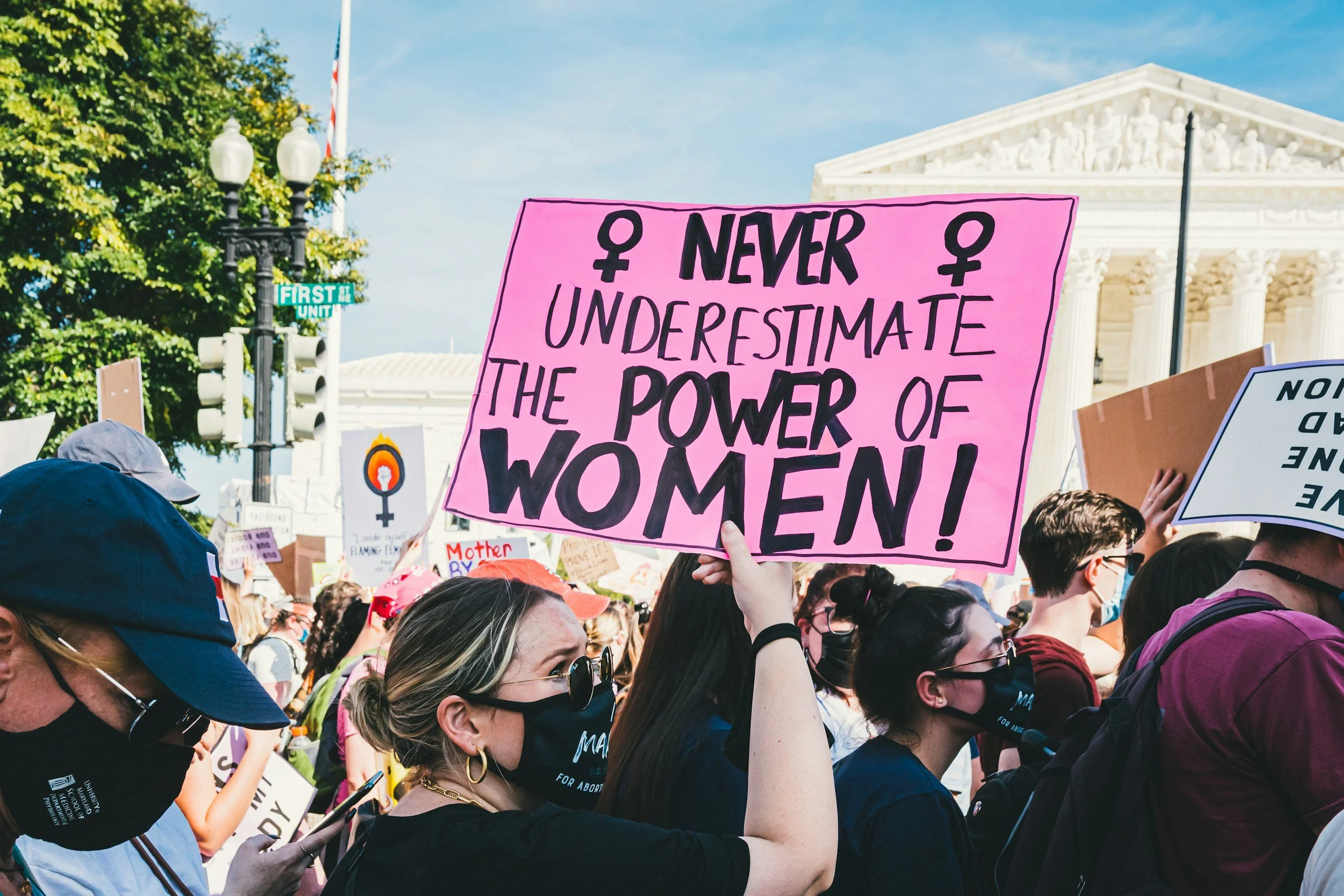
Every March, Women’s History Month invites us to celebrate the accomplishments, resilience, and influence of women across generations. We hear stories about groundbreaking leaders, activists, scientists, and artists. But there’s another conversation that deserves just as much attention during this time - the history of women’s mental health.
Women’s History Month is a powerful time to pause and reflect on one question - how well have women’s mental health needs actually been understood throughout history? The honest answer is not very well. For much of modern psychological research, women were either excluded from studies entirely or treated as an afterthought. Historically, researchers believed white, heterosexual, family-oriented, Christian men’s bodies, behaviors, and experiences were the “default.” Early psychological and medical studies often relied heavily on the results from male participants, then generalized the findings to everyone else.
Women were often left out for reasons that sound almost unbelievable now. Researchers inaccurately concluded that women were naturally too emotional or “histrionic” to be included as study subjects and worried that it would “complicate” the results. They also valued male intellect and erroneously believed that women did not have the intellectual capacity to reflect on their own behaviors. As a result, researchers simply avoided including women in early psychological research. The result was decades of research built on an incomplete picture of how the human mind actually works. The gap becomes even more significant when we look at the experiences of Black and Brown women. Cultural context and systemic racism were not considered in early mental health frameworks. So the realities of being Black and Brown were even less likely to be included in research settings, clinical trials, or psychological theory.
When entire groups of people are missing from the research that shapes mental health care, the consequences don’t just stay in academic journals; they show up in daily life in devastating ways. Diagnostic criteria, treatment approaches, and therapeutic models were often created and applied to women without considering the social, cultural, and political contexts of being a woman. A clear example is ADHD, which is diagnosed more often in boys because they tend to externalize symptoms through disruptive behavior, making their struggles easier for adults to notice. Girls are more likely to internalize symptoms, appearing quiet, distracted, or disorganized, which often gets dismissed as laziness or lack of effort. As a result, many girls grow up with undiagnosed ADHD, which is linked to higher risks of school dissatisfaction, anxiety, depression, and substance misuse.
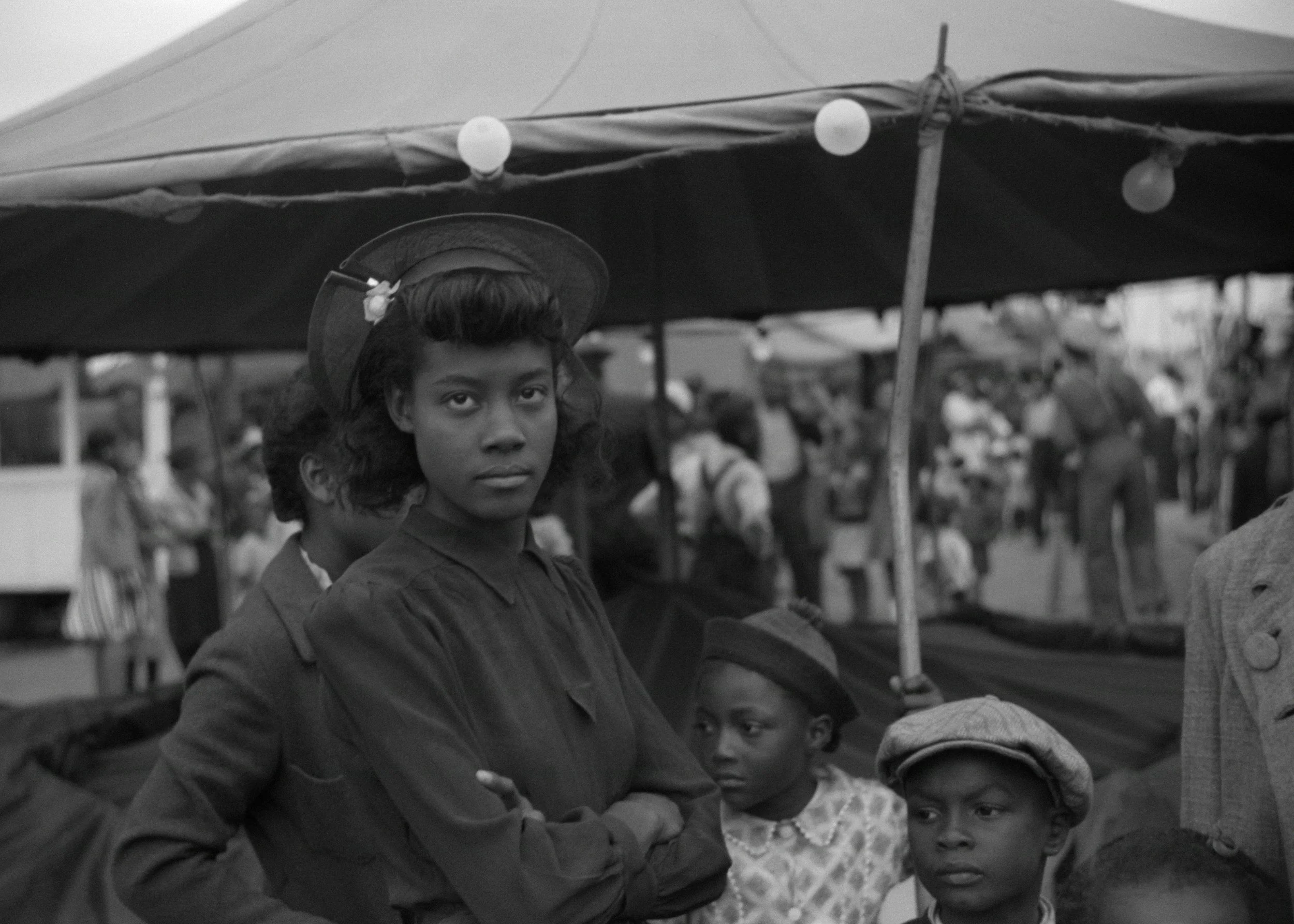
Women of color faced and continue to experience barriers to culturally competent care, underdiagnosis of psychological and medical conditions, and stereotypes that dismiss their emotional distress or physical pain entirely. The message that gets absorbed over time can be subtle but powerful - your experience, pain, and voice do not matter. And when that message repeats across generations, it can quietly shape how women treat their own mental health. Therefore, many Black and Brown women have grown up figuring their mental health out on their own, pushing through, and not asking for help.
Recognizing the historical gaps in psychological research helps us understand something important. If you’ve ever felt misunderstood, dismissed, or like traditional advice didn’t quite fit your life, that’s not a personal failure; it’s partly the result of systems that weren’t originally designed with women’s experiences in mind. But the story is changing.
Over the last few decades, researchers and clinicians have begun to pay closer attention to gender differences in mental health. There’s growing recognition of how social roles, sexism, cultural expectations, caregiving responsibilities, and systemic racism shape women’s mental and emotional wellbeing and therapy spaces are slowly becoming more inclusive. In fact, I’ve built and dedicated my entire career and therapy practice to supporting women!
For much of history, women’s mental health needs were misunderstood, minimized, or left out of the research that shaped modern psychology. This created systems of care that often failed to recognize how women actually experience stress, trauma, and emotional overwhelm. But that story is slowly shifting. Researchers, clinicians, and advocates are increasingly centering women’s lived experiences and pushing for more inclusive, culturally responsive mental health care. This Women’s History Month, we recognize and applaud every generation of women before us has pushed for more visibility, more agency, and more understanding, especially in the mental health arena. We are all part of a broader movement toward recognition, equity, and a future where women’s emotional well-being is finally taken seriously.
About The Author:

Dr. Ruby Rhoden is a New York-based Licensed Psychologist who is dedicated to uplifting women through life changes and challenges, including reproduction. She understands how unhelpful behavior patterns and mental health disorders uniquely impact women and uses evidence-based techniques to usher in sustainable change and relief. With a focus on helping clients reconnect with themselves and find effective self-care strategies, Dr. Ruby provides personalized therapy to address the root causes of burnout. Dr. Ruby is also dedicated to helping women develop healthier habits and relationships with themselves and their bodies so that they can connect to others and the world around them again. Dr. Ruby studied at Cornell University and Rutgers, The State University of New Jersey for her Bachelor's and Doctoral degrees, respectively. In her free time, she enjoys watching reality TV, supporting small businesses, and writing blog posts to remind all women that they are not alone.